

- Your cart is empty Browse Shop

Modular Design & Engineering
Modular design and engineering form the foundation of a successful modular construction project. At Modular Solutions Canada (MSC), our design and engineering services align architectural intent, structural systems, and building performance requirements before fabrication or installation begins.
Why Design & Engineering Are Critical in Modular Construction
Unlike traditional construction, modular delivery requires design and engineering decisions to be resolved earlier in the project lifecycle. Fabrication depends on finalized dimensions, connection details, and system coordination.
Our modular design and engineering process focuses on early technical resolution to reduce downstream conflicts, rework, and approval delays. This structured approach supports quality, safety, and predictable delivery.
Integrated Architectural & Engineering Coordination
Modular design requires close coordination between architecture and engineering disciplines. Layouts, structural systems, and building services must align within modular constraints while meeting code and performance requirements.
Our coordination process includes:
- Architectural layout alignment with modular systems
- Structural design integration
- Mechanical, electrical, and fire separation planning
- Accessibility and life-safety coordination
This ensures designs are both buildable and compliant before fabrication begins.
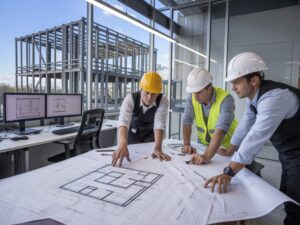
Structural Engineering for Modular Systems
Structural engineering plays a critical role in modular construction. Modular buildings require systems that support transport, lifting, installation, and long-term performance.
Our engineering approach considers:
- Load paths and structural continuity
- Module-to-module connections
- Compatibility with Light Gauge Steel Framing
- Project-specific performance requirements
Structural systems are engineered to support durability, safety, and constructability.
Mechanical, Electrical & Life-Safety Integration
Building systems must be coordinated early in modular design to ensure compatibility with framing systems and module layouts. This includes mechanical routing, electrical distribution, fire protection, and life-safety requirements.
Early integration helps:
- Reduce clashes during fabrication
- Support inspection readiness
- Improve system performance and reliability
This coordination is essential for institutional and commercial projects with complex requirements.
Code Compliance Through Design
Building code requirements are addressed during the design and engineering phase to support approvals and inspections. This includes occupancy classification, fire separation, accessibility, and structural requirements.
Addressing compliance during design reduces approval delays and supports smoother project execution.
Design for Fabrication & Installation
Modular design must account for how buildings are fabricated, transported, and installed. Our design process considers module sizing, connection details, and installation sequencing.
This ensures:
- Fabrication readiness
- Installation efficiency
- Reduced on-site adjustments
Design decisions are informed by real-world construction constraints.
Supporting All Project Types
Modular design and engineering services support:
- Residential modular buildings
- Commercial and retail developments
- Industrial facilities
- Institutional and public buildings
Design solutions are tailored to project type, regulatory requirements, and operational needs.
OUR FAQS
Frequently Asked Questions
Why is design more important in modular construction?
Why is design more important in modular construction?
Modular construction requires earlier resolution of design and engineering decisions because fabrication depends on finalized details. Early design coordination reduces rework and supports smoother execution.
They are engineered to meet the same codes but require additional coordination for transport, lifting, and module connections.
Can modular design support complex layouts?
Yes. Modular design can support complex layouts when architectural and engineering coordination is handled early.
Can modular design support complex layouts?
Clear, coordinated designs allow fabrication to proceed with fewer adjustments and higher consistency.
Design decisions account for module sizing, sequencing, and connections, improving installation efficiency.
Yes. Structural framing systems are coordinated during design to align with layouts and building systems.
Does modular design address code compliance?
Does modular design address code compliance?
Can modular design be customized per project?
Yes. Modular design solutions are tailored to project-specific requirements.
How does design support installation efficiency?
Design decisions account for module sizing, sequencing, and connections, improving installation efficiency.
Are engineering documents provided for permitting?
Yes. Engineering documentation supports permit submissions and inspections.
Is design included in turnkey modular delivery?
Yes. Modular design and engineering are integral parts of end-to-end modular delivery.
We’d love to hear from you
What We Build
We design and deliver modular buildings for residential communities, commercial developments, industrial facilities, and institutional use. Our projects are built using engineered systems and coordinated construction processes that support quality, consistency, and controlled project execution across Canada.
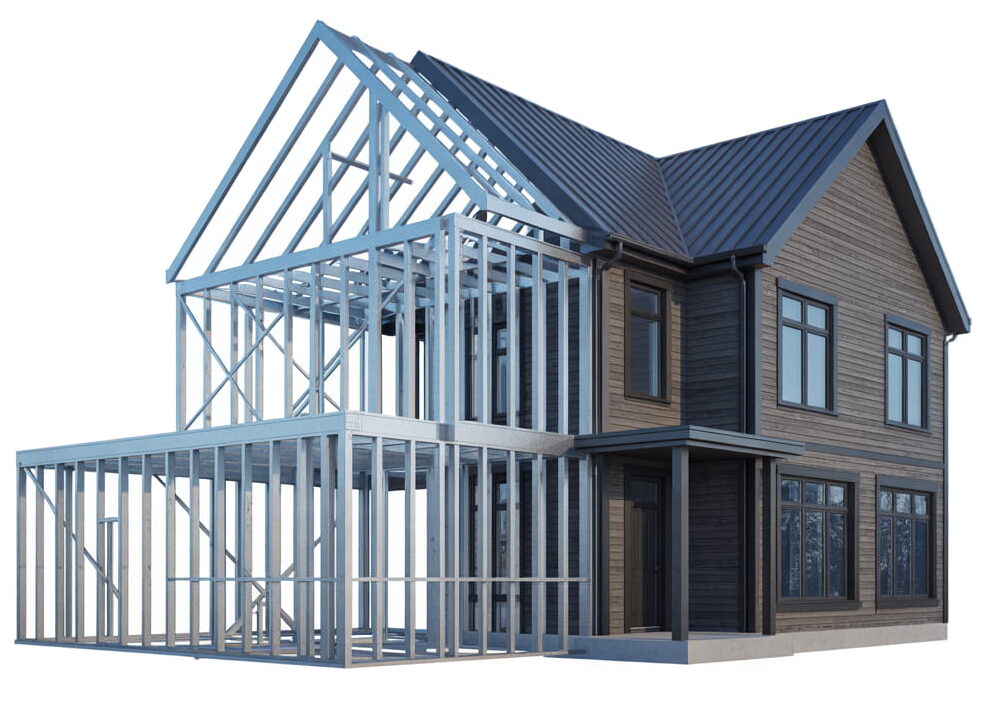
Modular Homes
From single-family homes, multi-unit housing, to purpose-built residential projects using precision-engineered modular systems that reduce construction timelines.
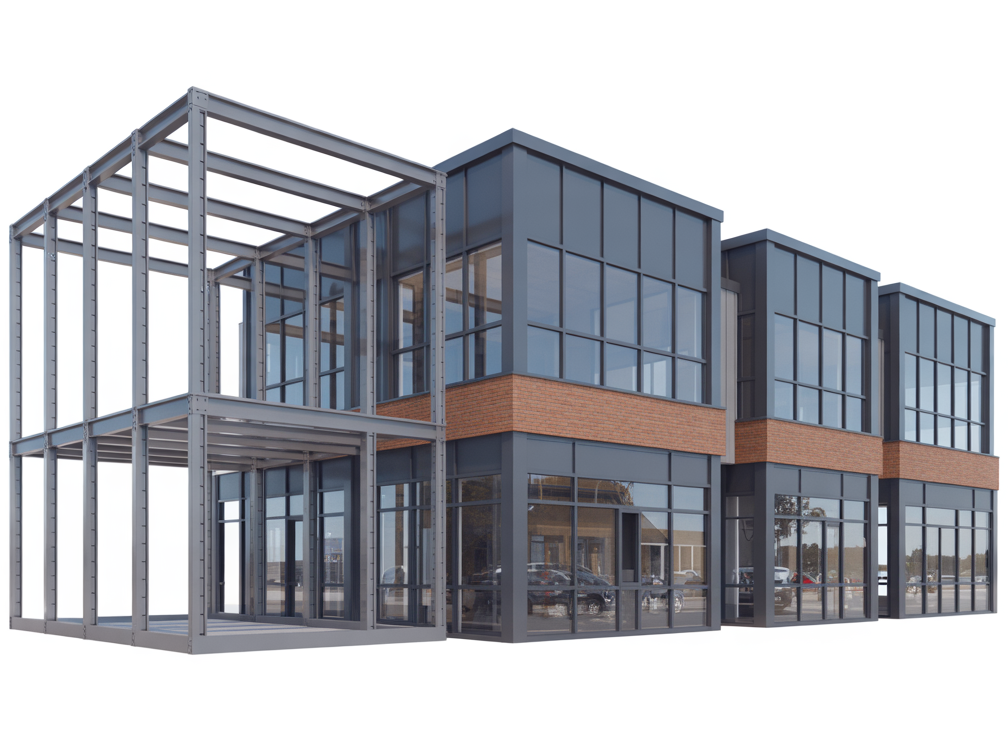
Modular Commercial
From offices and retail plazas to clinics and mixed-use developments, our commercial modular solutions support faster delivery and predictable project schedules. Let's connect.
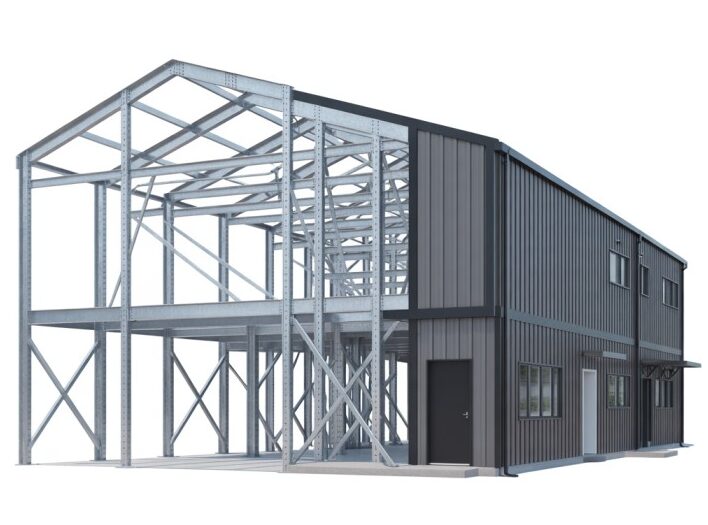
Modular Industrial
We support warehouses, production facilities, and logistics structures designed to meet operational demands while minimizing on-site disruption.
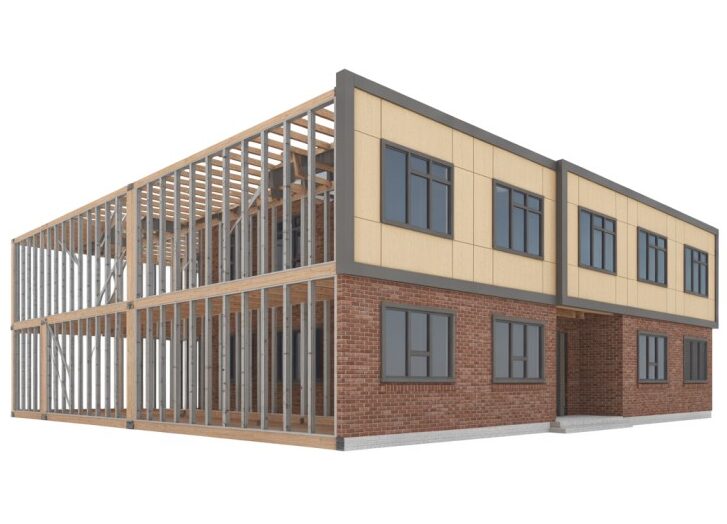
Modular Institutes
Our modular solutions support schools, healthcare facilities, and community buildings delivered with compliance, efficiency, and long-term performance in mind. Let's talk.