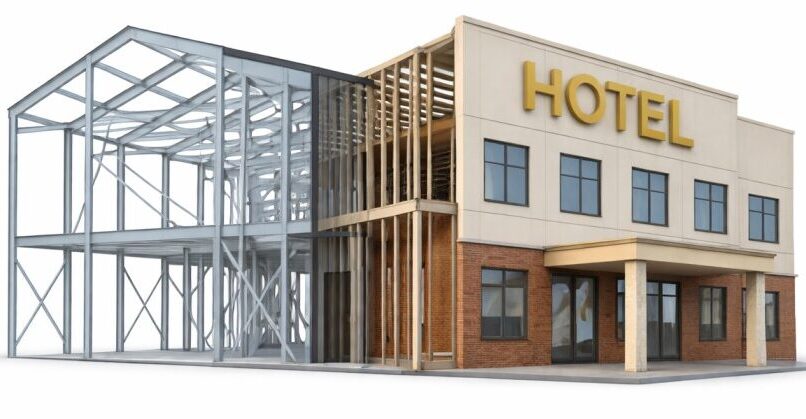
Modular Hotel Construction By Modular Solutions Canada (MSC)

Hospitality Modular Buildings

Hospitality projects demand predictable timelines, consistent room quality, and a delivery approach that supports speed to occupancy. Our modular hospitality solutions help developers and builders streamline hotel and motel construction while maintaining durability, compliance, and operational practicality.

Hospitality modular buildings are designed to reduce construction uncertainty and accelerate delivery. By combining precision-engineered modular systems with coordinated project execution, hospitality developers can move from planning to occupancy faster—without sacrificing long-term performance.

Types of Hospitality Modular Buildings

Hotels
img-5

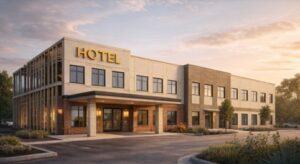
Modular hotel construction supports mid-rise and multi-storey developments with standardized room layouts, efficient floor plans, and consistent finishes. This approach allows hotel developers to scale projects efficiently while maintaining brand standards and predictable construction schedules.

Motels
img-6

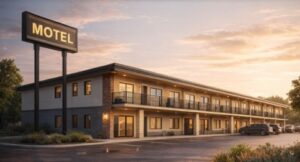
For roadside and regional motel projects, modular construction offers a cost-effective solution with faster delivery timelines. Repetitive room designs and simplified layouts make modular systems ideal for motel developments seeking efficient deployment and rapid market entry.

Extended-Stay & Workforce Lodging
img-7

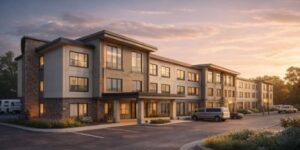
Extended-stay hotels and workforce lodging projects benefit from modular construction’s ability to deliver durable, repeatable units designed for long-term occupancy. Modular systems support phased expansion and operational flexibility as demand evolves.

Resort & Boutique Hospitality
img-8

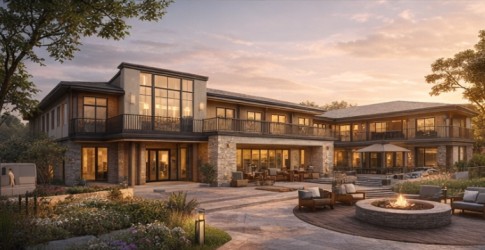
Modular construction can also support resort-style and boutique hospitality projects where speed and quality are critical. Controlled fabrication ensures consistent finishes while allowing architectural customization to match site context and brand identity.

Why Modular Construction for Hospitality Projects

  • Faster project delivery and earlier revenue generation
  • Predictable construction timelines and cost control
  • Consistent room quality across all units
  • Reduced on-site disruption and labour dependency
  • Scalable designs for phased hospitality developments

Our Approach to Hospitality Modular Projects

We work closely with hospitality developers, architects, and project teams to integrate modular construction into the planning phase. From layout coordination and structural systems to manufacturing and on-site installation, our approach is designed to support hospitality projects with clear scope definition and dependable execution.

OUR FAQS

Frequently Asked Questions

Are modular hotels and motels suitable for large-scale hospitality developments?

Yes. Modular construction is well suited for both small and large hospitality developments, including multi-storey hotels and extended motel properties. Modular systems allow for repeatable room layouts, stacked floor designs, and coordinated structural systems that scale efficiently as project size increases. For larger developments, modular construction helps maintain consistency across hundreds of rooms while reducing schedule risk and on-site congestion.

How does modular construction reduce timelines for hotel and motel projects?

Modular construction shortens timelines by allowing building components to be manufactured off-site while site work and foundations are completed in parallel. This overlap reduces weather delays, minimizes trade stacking on-site, and compresses the overall construction schedule. For hospitality projects, this often results in earlier occupancy dates and faster revenue generation compared to traditional construction methods.

Can modular hotels meet brand standards and architectural requirements?

Yes. Modular hospitality buildings can be designed to meet brand standards, room layouts, and finish specifications required by hotel operators and franchise groups. While modular construction relies on repeatable systems, exterior façades, interior finishes, and amenity spaces can be customized to align with brand identity, local context, and zoning requirements without compromising efficiency.

Are modular hotels and motels code-compliant in Canada?

Modular hospitality buildings are designed and manufactured to meet applicable Canadian building codes, fire safety requirements, and local authority regulations. Components are inspected during manufacturing and again during on-site installation. When coordinated properly with consultants and authorities, modular hospitality projects meet the same compliance standards as conventionally built hotels and motels.

How does modular construction affect cost certainty for hospitality projects?

Modular construction improves cost certainty by defining scope earlier and reducing variability associated with labour availability, weather delays, and material waste. Because much of the construction is completed in a controlled environment, developers gain clearer visibility into costs upfront. This predictability is especially valuable for hospitality projects where budgets are closely tied to financing and return-on-investment timelines.

Can modular hotels be delivered in phases?

Yes. Modular construction supports phased delivery strategies, which are common in hospitality developments. Developers can open portions of a hotel or motel while additional phases are manufactured and installed later. This approach allows operators to begin generating revenue sooner while maintaining flexibility for future expansion based on demand.

How durable are modular hospitality buildings for long-term use?

Modular hospitality buildings are designed for long-term performance and heavy use. Structural systems, wall assemblies, and finishes are engineered to withstand high occupancy, frequent turnover, and ongoing maintenance demands typical in hotels and motels. Controlled manufacturing also improves quality consistency, reducing long-term repair and warranty issues.

Does modular construction limit room layout flexibility?

Modular construction encourages standardized layouts, which is often an advantage for hospitality projects. However, flexibility still exists in room configurations, suite combinations, corridor layouts, and amenity spaces. Early planning allows layouts to be optimized for both modular efficiency and operational needs without sacrificing guest experience.

How does modular construction reduce on-site disruption for hospitality projects?

Because much of the building work is completed off-site, modular construction significantly reduces noise, material storage, waste, and labour congestion on-site. This is particularly beneficial for hospitality projects built near active commercial areas, existing properties, or public spaces where minimizing disruption is critical.

When should developers involve a modular partner for a hospitality project?
Developers should involve a modular partner as early as possible—ideally during feasibility and schematic design phases. Early involvement helps align layouts, structural systems, transportation logistics, and installation sequencing before plans are finalized. This reduces redesign risk and ensures modular efficiencies are fully realized throughout the project lifecycle.
Cart (0 items)